China's second-hand car exports to Belt and Road partner countries are surging, with deals worth over 1 billion yuan (about 139 million U.S. dollars) at a trade event held on Wednesday in Chengdu, capital of southwest China's Sichuan Province, underscoring rising global demand for China's quality used cars at competitive prices.
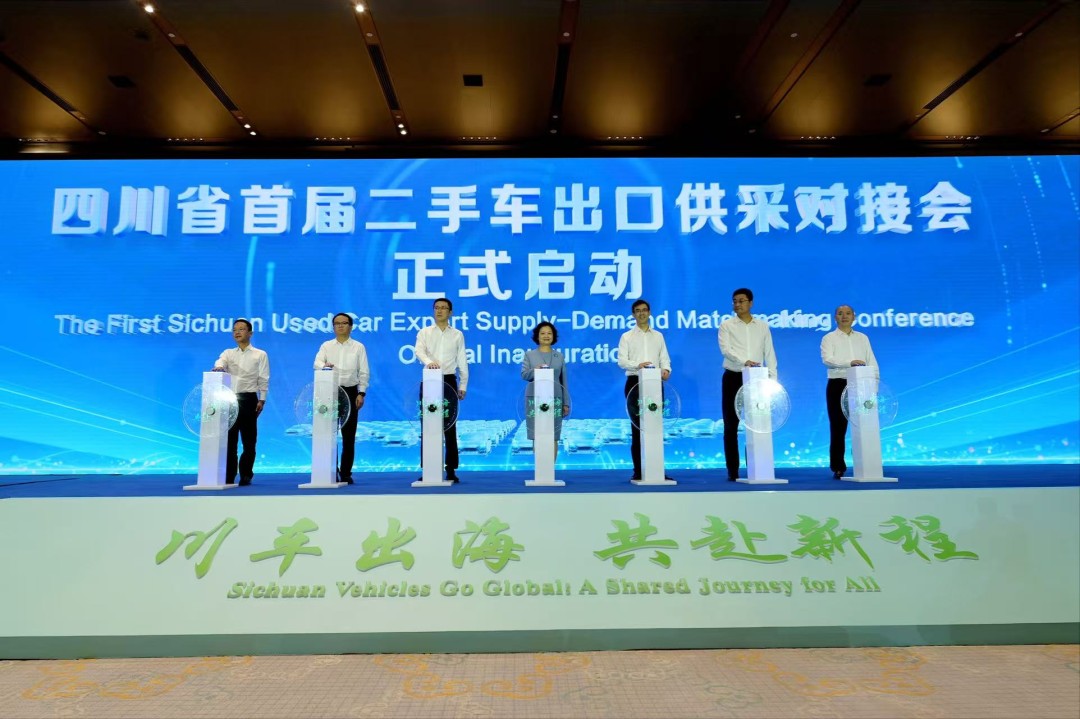
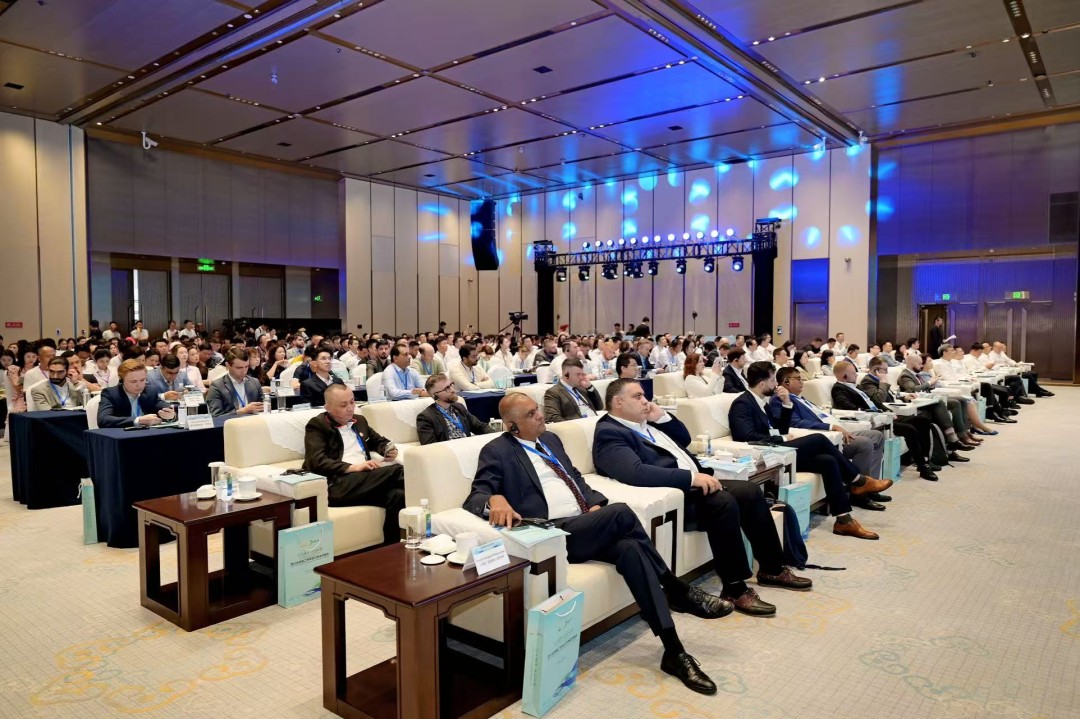
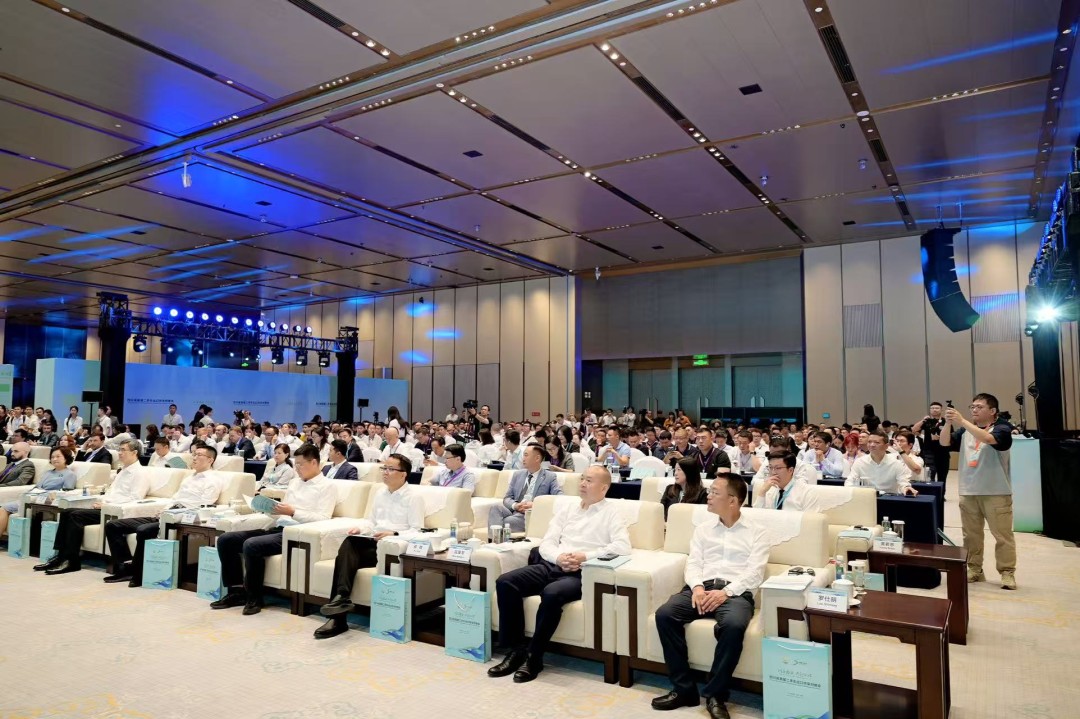
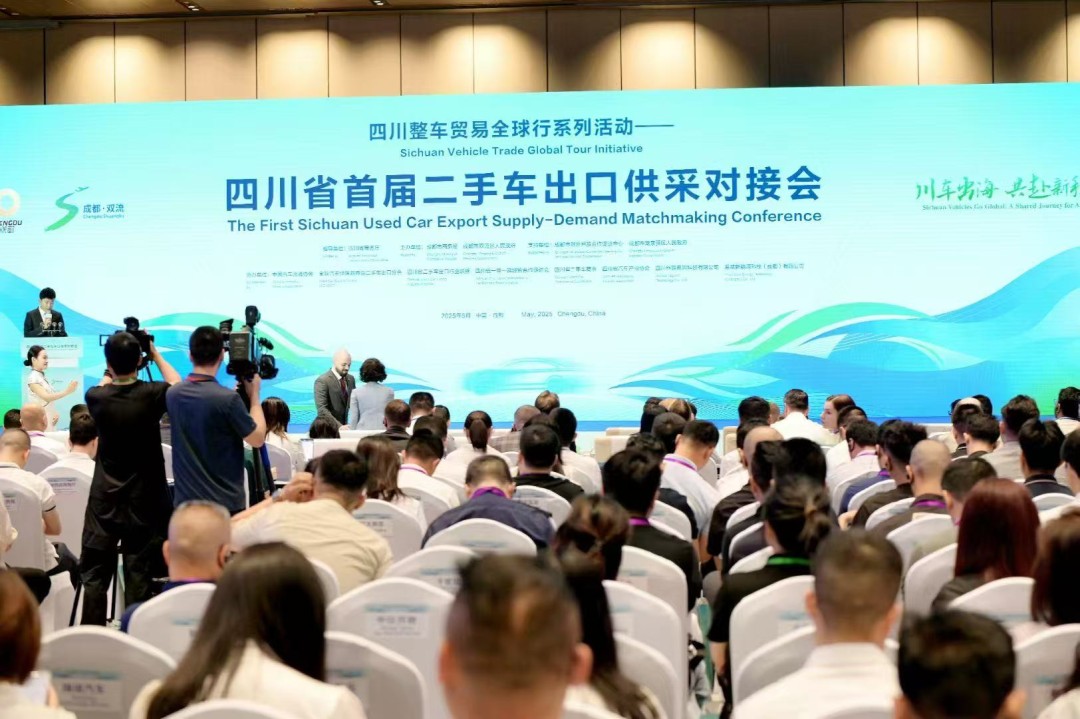
The growth follows China's full opening of used car exports in March 2024, accelerating access to Belt and Road markets where auto consumption is growing, as highlighted at the First Sichuan Used Car Export Supply-Demand Matchmaking Conference, which drew nearly 40 trade groups and buyers from 10 countries including Russia, Iran, Vietnam and Nigeria.
"Buyers arrived with clear purchase needs," said Huang Ruoyu, who oversees the used car export branch at the China Automobile Dealers Association, adding that Belt and Road partner countries now experiencing auto market upgrades increasingly favor China's cost-effective offerings.
Georgii Ruabtsev, vice president of the Russian-Asian Union of Industrialists and Entrepreneurs, called the event a "bridge" for global demand, while proposing a joint China-Russia used car trading platform.
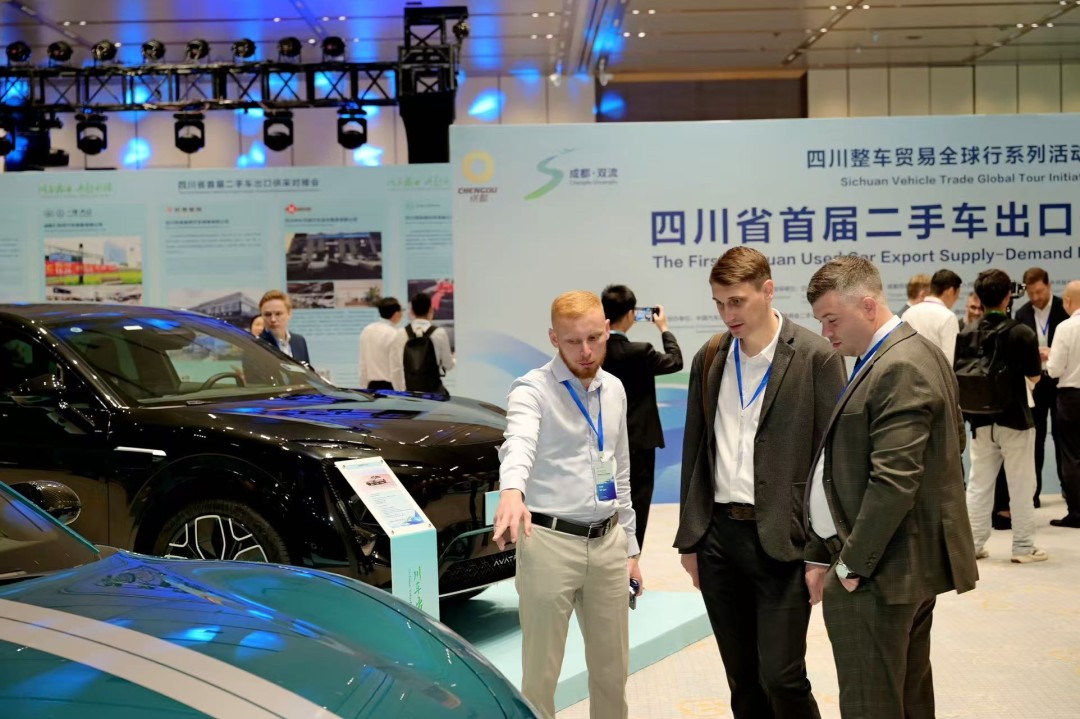
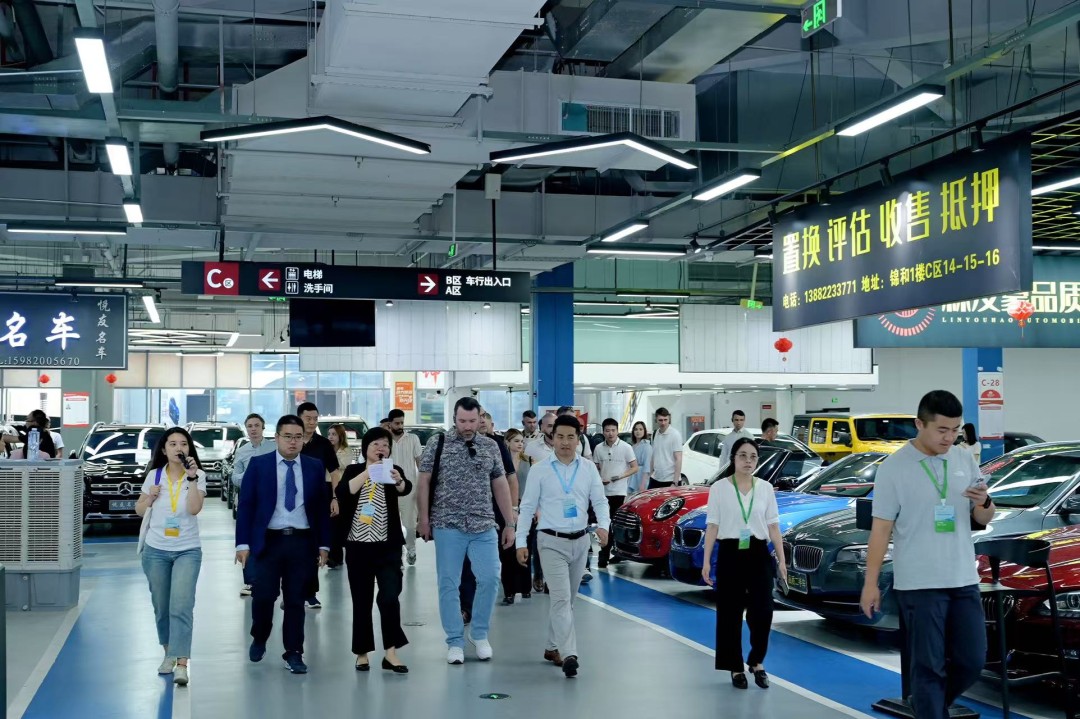
Iman Ashtari Talkhestani, representing Iran's Tehran Car Dealers and Exhibitions Union, emphasized investment opportunities by noting that Iran's used car market is growing rapidly and promising strong returns in the short and long term.
Sichuan exported over 10,000 used cars worth 1.4 billion yuan from January to April 2025, a 32 percent increase year on year, according to Qiao Fang, deputy head of the Sichuan Provincial Department of Commerce, who added that used car exports have become Sichuan's new trade growth engine.

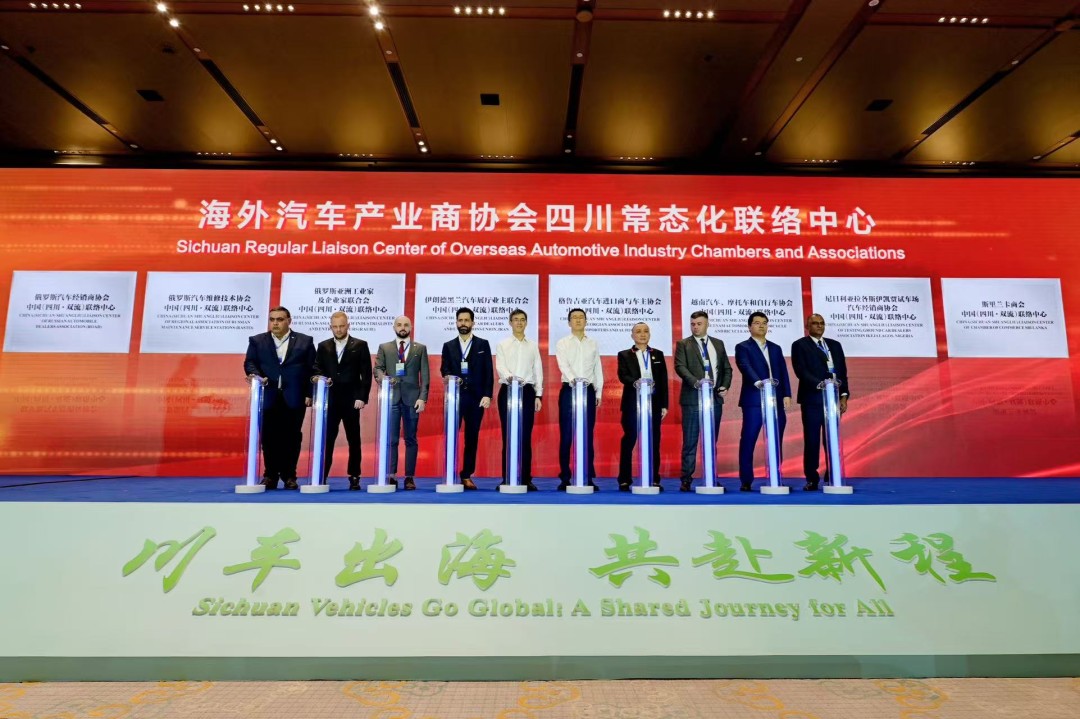
The province also released an overseas cooperation opportunity list and an industry self-discipline convention at the conference, while setting up contact centers in six countries to drive sustainable global supply chains.
China has launched exports of second-hand cars in May 2019, with an expansion in late 2022 that allowed Sichuan to conduct exports of second-hand cars.
The growth follows China's full opening of used car exports in March 2024, accelerating access to Belt and Road markets where auto consumption is growing, as highlighted at the First Sichuan Used Car Export Supply-Demand Matchmaking Conference, which drew nearly 40 trade groups and buyers from 10 countries including Russia, Iran, Vietnam and Nigeria.
"Buyers arrived with clear purchase needs," said Huang Ruoyu, who oversees the used car export branch at the China Automobile Dealers Association, adding that Belt and Road partner countries now experiencing auto market upgrades increasingly favor China's cost-effective offerings.
Georgii Ruabtsev, vice president of the Russian-Asian Union of Industrialists and Entrepreneurs, called the event a "bridge" for global demand, while proposing a joint China-Russia used car trading platform.
Iman Ashtari Talkhestani, representing Iran's Tehran Car Dealers and Exhibitions Union, emphasized investment opportunities by noting that Iran's used car market is growing rapidly and promising strong returns in the short and long term.
Sichuan exported over 10,000 used cars worth 1.4 billion yuan from January to April 2025, a 32 percent increase year on year, according to Qiao Fang, deputy head of the Sichuan Provincial Department of Commerce, who added that used car exports have become Sichuan's new trade growth engine.
The province also released an overseas cooperation opportunity list and an industry self-discipline convention at the conference, while setting up contact centers in six countries to drive sustainable global supply chains.
China has launched exports of second-hand cars in May 2019, with an expansion in late 2022 that allowed Sichuan to conduct exports of second-hand cars.
Comments
Post a Comment