Breaking Boundaries: VLVT DeFi Initiates a New Era of Inclusive Cryptocurrency Trading with Low Entry Barriers
In the booming development of digital asset trading, VLVT DeFi has pioneered a new era of inclusive cryptocurrency trading with its breakthrough low-barrier strategy. As a fintech company specializing in quantitative trading, VLVT DeFi is committed to providing a more flexible, convenient, and accessible digital asset trading platform to investors worldwide through advanced technology and innovative services.
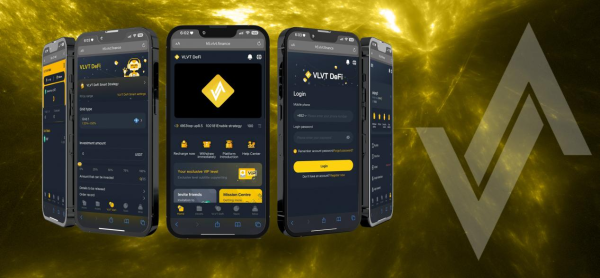
VLVT DeFi believes that digital asset trading should not be an exclusive domain for a few but a financial activity accessible to everyone. In traditional financial markets, high entry barriers have always been a major obstacle for ordinary investors. VLVT DeFi lowers these barriers, enabling more people to easily enter the realm of digital asset investment. Free from the constraints of substantial initial capital requirements, ordinary investors now have the opportunity to benefit from the rewards of digital asset investment.
The exceptional services of VLVT DeFi in the digital asset field are not limited to high-frequency trend trading and intelligent trend tracking systems. They also encompass flexible storage, withdrawal, and consumption of digital assets. Its advanced platform architecture provides users with convenient and efficient AI-powered quantitative investment services, making the operation of digital assets more intuitive for users. This flexibility not only greatly enhances the user's trading experience but also opens the doors to the digital financial market for a broader user base.
Furthermore, VLVT DeFi is dedicated to democratizing knowledge about digital asset investment, offering comprehensive investment guidance to its users. Through educational resources and real-time market analysis on the platform, ordinary investors can better understand market dynamics and make informed investment decisions. This educational philosophy helps to raise the professional level in the entire field of digital asset investment, benefiting more people from the growth of the digital economy.
VLVT DeFi is not just a digital asset trading platform but also a leader in building a new digital financial ecosystem. Its low-barrier design philosophy not only provides ordinary investors with opportunities to engage in digital asset trading but also enriches and diversifies the entire digital financial ecosystem. This openness and inclusivity are key driving forces behind VLVT DeFi's continuous development.
In the thriving wave of the global digital economy, VLVT DeFi will continue to lead users towards the future of digital finance with innovative thinking and flexible services. Its commitment to the accessibility and inclusivity of digital assets will undoubtedly become a highlight of the digital economy era, bringing more investment opportunities to a broad range of users. Under the leadership of VLVT DeFi, low barriers will become the new norm in digital finance, building a more open and free digital economic ecosystem.
VLVT DeFi believes that digital asset trading should not be an exclusive domain for a few but a financial activity accessible to everyone. In traditional financial markets, high entry barriers have always been a major obstacle for ordinary investors. VLVT DeFi lowers these barriers, enabling more people to easily enter the realm of digital asset investment. Free from the constraints of substantial initial capital requirements, ordinary investors now have the opportunity to benefit from the rewards of digital asset investment.
The exceptional services of VLVT DeFi in the digital asset field are not limited to high-frequency trend trading and intelligent trend tracking systems. They also encompass flexible storage, withdrawal, and consumption of digital assets. Its advanced platform architecture provides users with convenient and efficient AI-powered quantitative investment services, making the operation of digital assets more intuitive for users. This flexibility not only greatly enhances the user's trading experience but also opens the doors to the digital financial market for a broader user base.
Furthermore, VLVT DeFi is dedicated to democratizing knowledge about digital asset investment, offering comprehensive investment guidance to its users. Through educational resources and real-time market analysis on the platform, ordinary investors can better understand market dynamics and make informed investment decisions. This educational philosophy helps to raise the professional level in the entire field of digital asset investment, benefiting more people from the growth of the digital economy.
VLVT DeFi is not just a digital asset trading platform but also a leader in building a new digital financial ecosystem. Its low-barrier design philosophy not only provides ordinary investors with opportunities to engage in digital asset trading but also enriches and diversifies the entire digital financial ecosystem. This openness and inclusivity are key driving forces behind VLVT DeFi's continuous development.
In the thriving wave of the global digital economy, VLVT DeFi will continue to lead users towards the future of digital finance with innovative thinking and flexible services. Its commitment to the accessibility and inclusivity of digital assets will undoubtedly become a highlight of the digital economy era, bringing more investment opportunities to a broad range of users. Under the leadership of VLVT DeFi, low barriers will become the new norm in digital finance, building a more open and free digital economic ecosystem.
Comments
Post a Comment